In August, the European Commission granted limited fiscal flexibility for eligible energy‑security measures under the National Escape Clause (NEC), creating additional fiscal room for EU Member States between 2026 and 2028. This development marks a major shift in European energy policy. Renewable energy, battery storage, power grids, electrification and energy efficiency are no longer viewed merely as decarbonisation instruments, but are increasingly recognised as critical energy‑security infrastructure.

This policy shift is reshaping investment priorities across Europe’s clean‑energy sector. As energy security becomes closely tied to infrastructure resilience and system flexibility, projects that strengthen grid stability, boost renewable integration and improve energy efficiency are gaining greater strategic weight. While clean‑energy companies face expanded market opportunities, market entry requirements have also become more demanding. Beyond technology and cost competitiveness, local certification, grid compliance, system integration, project delivery and after‑sales support have turned into essential competitive prerequisites.
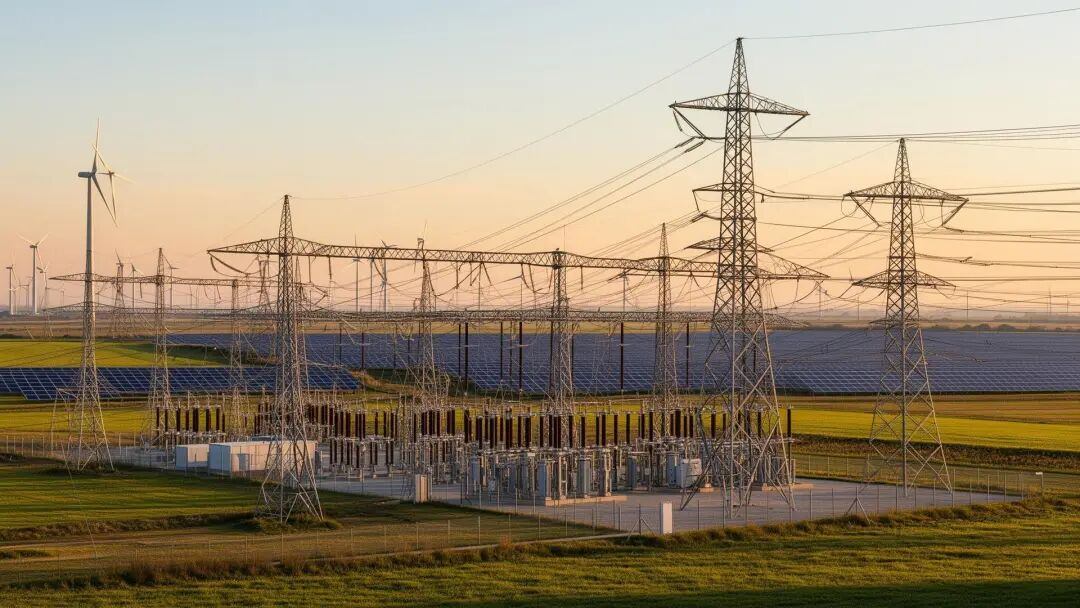
Europe’s next‑phase energy transition will therefore be measured not only by the volume of new renewable capacity deployed, but also by how well new assets contribute to a more flexible, reliable and resilient energy system. From OLA’s perspective, Europe’s energy transition represents more than commercial opportunities; it is a structural transformation towards a more resilient and integrated energy landscape. For Chinese energy‑storage exporters, local compliance and after‑sales capabilities have become core barriers to market access, alongside hardware performance.